
Singapore
0.25 BTC, 64,000 to 66,500, 0.10% a side. Net +592.37 dollars.

For every market that quotes a coin
Auric puts the fill, the fee, and the cost of every coin you still hold on one ticket. Net result, break-even, and average cost, in the unit you actually think in.
The working part
The examples are already loaded. Change any number. Nothing here is a quote from a venue, and nothing is sent off this phone.
Long or short, from fill to fill.
0.10 means 0.10% per side, not 10%. A negative other-cost is a rebate. Days only feed the annualized comparison.
One notional, every cut.
A basis point is 0.01%. Two bps on a 16,000 ticket is 3.20 per side. Presets are illustrations, not a venue's price list.
Several buys, one average. Or a sale, three methods.
FIFO sells the oldest lot first. LIFO sells the newest. Average uses one blended cost. This is arithmetic, not permission to pick the kindest one.
Decide the loss first.
The quantity is the budget divided by the distance to the stop, plus a fee on the entry and a fee on the stop.
A guide you can finish
About eight minutes if you read it straight through. Longer if you stop to change a number. The arithmetic is the same in every city on this page. The fee schedule, the tax rule, and the quote currency are not.
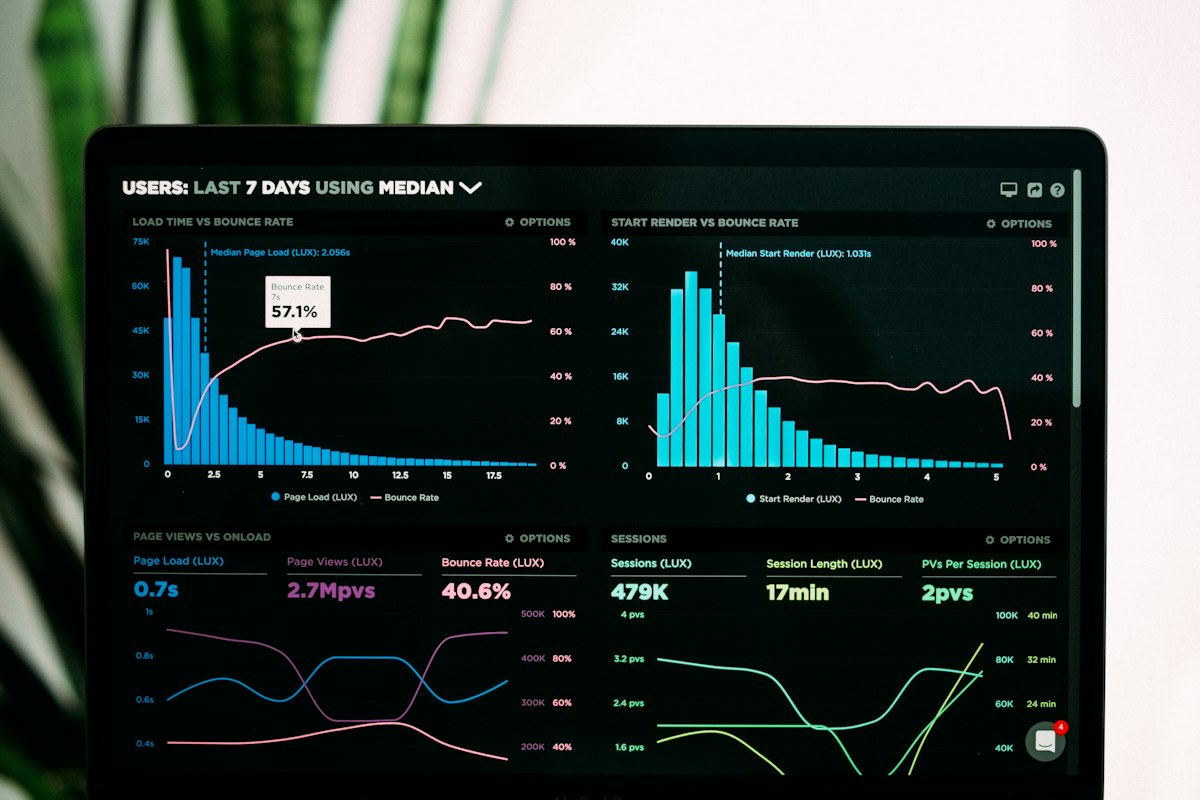
A chart prints a last price. Your profit is a difference between two fills, minus everything you paid to get from one to the other. Those are different objects. The last price is a public number. The fill is yours. The fee is a private schedule that depends on your volume, your token discount, whether you rested on the book or crossed it, and sometimes the network you withdrew on an hour later.
Auric never fetches a market. You type the prices you were filled at. If you only have a mid price, the fee tool is where spread and slippage belong. If the prices are already fills, those two lines stay at zero. Counting them twice is how a careful person invents a loss.

The loaded example is a long in bitcoin, quoted in US dollars, the sort of ticket a person in Singapore might still be thinking about eighteen days later. Quantity 0.25. Entry 64,000. Exit 66,500. Fee 0.10% of notional on each side. No other costs. Line items below are rounded to the cent and then added, which is why the net is 592.37 rather than the unrounded 592.375.
Gross = (66,500 − 64,000) × 0.25 = 625.00
Entry fee = 64,000 × 0.25 × 0.10% = 16.00
Exit fee = 66,500 × 0.25 × 0.10% = 16.625 → 16.63
Net = 625.00 − 16.00 − 16.63 = 592.37
Return = 592.375 ÷ 16,016.00 = +3.70%
The return uses the unrounded net and a base of entry notional plus the entry fee: 16,000 + 16 = 16,016. Held for 18 days, the annualized comparison is +108.85%. That number answers a narrow question: what if this pace repeated all year? It will not. The note under the result says so when the window is short. Eighteen days is short.
Notice the exit fee is larger than the entry fee. The rate is the same. The notional grew. A fee tool that multiplies one notional by two sides, using 16,000 both times, gets 32.00. The P&L tool gets 32.63. Both are honest. They are answering different questions. Open the Fees tab on the loaded 16,000 ticket and you will see the 32.00 version.
The second fee is charged on the way out, at the price you actually left.
A short is the same machinery run in reverse. Gross is entry minus exit, times quantity. You still pay a fee on both notionals. The Dubai example later on is a short: 10 SOL sold at 180 and bought back at 165, at 0.08% a side. Net 147.24 on an entry notional of 1,800. The cover has to be low enough to pay both fees. The break-even cover is 179.71, not 180.


The dangerous case is not a high fee on a large move. It is a modest fee on a modest move, repeated. The card below is a fifth tool, parked in the essay because this is where it belongs. A 10,000 notional, twelve times, with a 1% gross edge and a 0.10% fee each side of a round trip, keeps 960. Change the fee to 0.60% and the same edge loses 240. The edge did not get worse. The toll did.
Does the edge survive?
After every trip

People remember the lowest ticket and call it their cost. The position does not. If you bought 0.70 ETH at 3,200 and 0.50 ETH at 2,860, each with a 0.10% fee, you hold 1.20 ETH that cost 3,673.67 in euros. The average is 3,061.3917. The prettier memory, 2,860, is a story about one afternoon in Porto. It is not the cost of the stack.
0.70 × 3,200 × 1.001 = 2,242.24
0.50 × 2,860 × 1.001 = 1,431.43
Average = 3,673.67 ÷ 1.20 = 3,061.3917
At a mark of 3,480, the position is worth 4,176.00 before you leave. A 0.10% exit fee is 4.18 after rounding to the cent. Unrealized net is 498.15. That number is not spendable until the exit exists, and it still ignores any network fee you have not typed. Load Porto ETH in the basis tool and the same figures are sitting there, in euros.

When you sell only part of the pile, the method matters. Average cost uses 3,061.3917 for every unit you sell, and the coins left behind keep that same average. FIFO sells the oldest lot first. In this pile the oldest is the more expensive one, so FIFO recognizes less gain now and leaves you with the cheaper remainder. LIFO does the opposite. Switch the basis tool to “Compare a sale”, sell 0.70 at 3,480, and read the three results side by side.
A higher realized gain can be the expensive choice. Several countries tell you which method you may use. Specific identification, where you name the lot, is allowed in some places and ignored in others. This page will compute average, FIFO, and LIFO. It will not tell you that you are allowed to choose.
Break-even is the exit price at which the net is zero. For a long it sits above the entry, because the exit fee is charged on a price you have not reached yet. The algebra has to be solved, not guessed.
Long break-even = (Entry × (1 + fee) + Other ÷ Qty) ÷ (1 − fee)
64,000 × 1.001 ÷ 0.999 = 64,128.13 to the cent
Short cover = (Entry × (1 − fee) − Other ÷ Qty) ÷ (1 + fee)
The São Paulo illustration is the one to sit with. One hundred SOL, entry 150, exit 151.80, fee 0.60% a side, and 2.50 of other costs. The price rose 1.80, which is 1.20%. Gross profit is 180.00. Fees are 90.00 in, 91.08 out, and 2.50 flat: 183.58. Net is −3.58. Break-even is 151.84. The rally was real, and it stopped four cents short of a scratch. The result card says this in a sentence when it happens to your own numbers: the price moved your way, and the costs were larger than the move.
A green candle can still be a red ticket.
Most calculators start with a target. This one starts with a budget. On a 20,000 account, a 1% risk budget is 200. A long from 64,000 to a stop at 62,000 has 2,000 of price distance. At 0.10% a side, the fee on the way in is 64 per coin and the fee if the stop fills is 62. Each coin can therefore lose 2,126.00 before the position has done what you said you would allow. A budget of 200 buys 0.094073 coins. The notional is a little over 6,020. The loss if stopped lands on 200, because the fees were inside the division rather than a surprise after it.
Leverage does not appear on this card on purpose. Leverage changes how much collateral you post for a quantity you already chose. It does not make the stop closer. If you use the P&L tool's leverage field, the dollar net of a fixed quantity stays put and the percentage gets larger, because the base got smaller. Liquidation price depends on maintenance margin, the venue's mark, and other positions. This page does not estimate it. A wrong liquidation price is worse than none.

A disposal is a taxable event in many places and a non-event in others. Some rules use FIFO. Some allow average cost. Some want the lot you identify. Auric's notes are a memory on this phone, not a filing. Save the sentence the copy button builds: side, prices, net, return, break-even. When a rule later asks what you paid, you will want the fee inside the number, not beside it in a chat you can no longer find.

Using the last price as a fill. The last price is the last trade someone else did. Your marketable order may print worse. Type the average fill from the confirmation, including partials.
Paying the fee once in your head. A round trip has two notionals. The second one is usually the one people drop, because the exciting number is the price change.
Forgetting that the exit fee grows with the exit. A 0.10% fee on a higher price is more money. The Singapore ticket is the clean demonstration: 16.00 in, 16.63 out.
Treating leverage as a change in dollars. Five times leverage on a fixed quantity does not multiply the dollar profit in this calculator. It divides the collateral. If a venue liquidates you, the quantity did not stay fixed. That is a different event, and it is not modeled here.
Annualizing a weekend. The Dubai short is six days and nets 147.24, an 8.17% return on entry notional. Stretch that pace across a year and the percentage becomes absurd, into the thousands. The tool shows it anyway, with a warning, so you can see the trick while it is happening.
Averaging coins that were not the same purchase. A transfer between your own wallets is not a new cost basis. A purchase is. Mixing them makes the average look smoother than the cash you spent.
Choosing FIFO or LIFO because the gain looks kinder. Kinder now often means a larger bill, or a disallowed method. Run all three. Then use the one your rules already picked.
It will not quote a live book, a funding rate, or a gas price. It will not tell you a coin is cheap. It will not prepare a tax form, and it will not know the rounding your venue applies at the eighth decimal. It will not estimate liquidation. It is a notebook with the algebra filled in, for a person who already has a fill and wants the net.
If a result surprises you, the surprise is the product. A 1.20% rally that loses 3.58 is working as designed. Change one input at a time until you can see which line did it. That is the eight minutes. The tools above will still be there when you scroll back.
Four cities, one formula
These are illustrations with real arithmetic, not customers. The photographs are the cities. The quote currency is the currency of the fill. A person in São Paulo can easily be looking at a dollar price. This page does not pretend to know the foreign-exchange leg into reais.
0.25 BTC, 64,000 to 66,500, 0.10% a side. Net +592.37 dollars.

Two ETH buys. Average 3,061.3917 euros. The low ticket is not the cost.

SOL up 1.20% at a 0.60% fee each side. Net −3.58 dollars.

Short 10 SOL, 180 to 165, six days. Net +147.24. Do not annualize it.
Marina Bay is a real place, and the trade is a made example a person there could check with a pencil. A quarter of a bitcoin from 64,000 to 66,500 looks like a clean 625 dollars if you stop at the price. You should not stop. The entry fee is exactly 16. The exit fee is 16.625, which displays as 16.63. Together, 32.63. Net 592.37. The base for the return is 16,016, and the return is +3.70%. Break-even was 64,128.13, so almost the entire move was profit, and still thirty-two dollars never belonged to the position. Over eighteen days the annualized comparison prints +108.85%, which is a magnifying glass, not a promise. Load it, then change the fee to 0.60% and watch the net fall apart. That single edit is worth more than another indicator.
The riverfront in the photograph is Ribeira, in Porto, not a generic European street. The illustration is a designer invoicing in euros who buys ether twice and later remembers only the cheaper afternoon. 0.70 at 3,200 and 0.50 at 2,860, each with a 0.10% fee, cost 2,242.24 and 1,431.43. The pile is 3,673.67 for 1.20 ETH. Average 3,061.3917. Marked at 3,480, after a 4.18 exit fee, the unrealized net is 498.15. If they sell only the first 0.70, FIFO, average, and LIFO disagree, because the first lot is the expensive one and the second is the cheap one. The basis tool's sale mode is there for that argument. Whichever number is kinder, the rule at home decides whether kindness is allowed.
Avenida Paulista is the street in the photograph. The coin in the story is quoted in dollars, which is common even when the person keeping the books thinks in another currency. One hundred SOL from 150 to 151.80 is a 1.20% rise and 180.00 of gross profit. A 0.60% fee is a retail-shaped illustration, not a named venue. It takes 90.00 to enter and 91.08 to leave. Add 2.50 of some other cost, a withdrawal or a borrow you already know, and the costs are 183.58. Net −3.58. Break-even 151.84. The exit printed 151.80. Four cents a coin, on a trade that felt green. This is the sentence the whole page is for. Load it and sit with the red net under the green move. Then cut the fee to 0.10% and see the same rally become a profit. The market did not change. The schedule did.
The photograph looks down a real highway toward the Burj Khalifa. The trade is a short of 10 SOL from 180 down to 165, fee 0.08% a side, no other costs, held six days. Gross 150. Fees 1.44 and 1.32, so 2.76. Net 147.24. Return on the 1,801.44 entry cost is +8.17%. Break-even cover is 179.71, which means the short was in profit almost immediately, and the interesting danger is not the direction. It is the annualized line. Six days of 8.17% stretched over a year becomes a percentage in the thousands. The calculator prints it because hiding it would make the trick invisible. The warning under the number is the point. A short can be a reasonable hedge or a borrowed disaster. This page will tell you the net. It will not tell you which one you are holding.


Glossary
No term matches.
The price change times quantity, before fees. For a long, exit minus entry. For a short, entry minus exit. Gross is the number people quote in conversation. It is the start of the ticket, not the end.
Gross minus entry fee, exit fee, and any other cost you typed. This is the number Auric prints largest. A positive gross and a negative net can sit on the same trade.
Price times quantity. Fees that are a percent are a percent of this, not of your collateral. Leverage shrinks the collateral. It does not shrink the notional the fee is charged on.
Net divided by entry notional plus the entry fee. If you set leverage above 1, the base becomes entry notional divided by leverage, plus the entry fee. It is a comparison, not a forecast of the account.
The return, stretched as if the same pace repeated for 365 days. Useful for comparing a 40-day hold with a 20-day hold. Misleading for a weekend. Auric prints a warning under short windows and still shows the number, so the magnification is visible.
The exit at which net is zero. For a long it is above the entry once a fee exists. For a short it is below. Other costs push it further. The formula divides by one minus the fee, because the exit fee depends on the exit.
A maker order rests on the book and adds liquidity. A taker order crosses the spread and removes it. Venues often charge the taker more. Type the rate on your confirmation. Do not assume the headline rate on a homepage is the one you paid.
One hundredth of one percent. Two basis points on a 16,000 notional is 3.20. Spreads are often talked about in basis points because a percent would be a clumsy fraction.
The ask minus the bid. Crossing it is a cost even when the commission line says zero. If your entry and exit are already fills, the spread is inside those prices. Adding it again double-counts.
The gap between the price you clicked and the average price you were filled at. It grows with size and with a thin book. A confirmation's average fill already contains it.
A periodic payment between longs and shorts on a perpetual swap, so the contract can track a spot index. It can be a cost or a credit. Put a known amount in other costs. This page does not fetch the current rate.
What the chain charges to move the asset. It is not the venue's commission and it is not a spread. On a small position it can be the whole story. It belongs in the fee tool as a flat amount.
What you paid for the units you still have, or for the units you are about to dispose of. In this calculator the fee on the buy is inside the basis. Leaving it outside makes every later gain look larger than the cash you spent.
Total cost, fees included, divided by total quantity. Selling part of the position does not change the average of what remains. It is simple, and it is not legal everywhere as a tax method.
First in, first out. The oldest lot is sold first. If you bought cheap and then expensive, FIFO realizes more gain now. If you bought expensive and then cheap, it realizes less. The Porto lots are the second pattern.
Last in, first out. The newest lot is sold first. It is the mirror of FIFO. Some tax systems disallow it. The calculator still shows it so you can see the size of the difference.
Unrealized is a mark against an open position, after an estimated exit fee if you typed one. Realized is a sale that happened. Only the second is usually a disposal. The mark can move before you do.
A reference price for a position you have not closed. It is not a fill. Unrealized profit computed from a mark is a photograph of this minute, and it still owes an exit fee.
The amount of the account you are willing to lose if the stop is hit. One percent of 20,000 is 200. The size tool spends that budget on distance and fees, not on a hoped-for target.
The cumulative toll of a small rate across many trips. Twelve round trips at 0.10% a side on a 10,000 notional cost 240. The same trips at 0.60% cost 1,440. A 1% edge survives the first and not the second.
Collateral smaller than the notional. Here it changes the base of the return and not the dollar net of a fixed quantity. It does not tell you a liquidation price. Maintenance margin is the venue's rule, and this page will not guess it.
Seven questions
One question at a time. The explanation stays on screen after you answer, which is the part worth the minute.
FAQ
No. It does not hold funds, route orders, or show a live book. It is a calculator and a guide that run in your browser.
No. A net profit on a past fill is not a view on the next one. Nothing on this page is investment, tax, or legal advice.
The one on your confirmation, as a percent of notional, per side. 0.10 means a tenth of one percent. If you were charged 16 dollars on a 16,000 entry, that is 0.10%. Homepage rate cards are often the best tier, not your tier.
Because you pay to leave, and that fee is a percent of the exit. You have to clear the entry fee as well. On the Singapore example the entry is 64,000 and break-even is 64,128.13.
Not for a fixed quantity. It changes the collateral, so the percentage return changes. If you were liquidated, the quantity did not stay fixed. This page does not model that.
No. A responsible estimate needs the maintenance margin, the mark method, and the rest of the account. Guessing a price here would look precise and be wrong.
The one your rules require. Average, FIFO, and LIFO on this page are three arithmetics. They are not three permissions. If you do not know the rule, that is a question for a local adviser, not for a calculator.
The costs were larger than the move. The São Paulo example rises 1.20% and nets −3.58 because a 0.60% fee twice, plus 2.50, is 183.58 against 180.00 of gross profit.
No. The photographs are real places. The trades are illustrations with checked arithmetic, so a reader in any of those cities can follow the same steps. Nobody's account is shown here.
Into this browser's local storage, on this phone. They are not uploaded. Clearing site data clears them. Copy anything you need to keep somewhere more durable.
Yes. Gross is entry minus exit. Fees are still charged on both notionals. Break-even is a cover price below the entry. The Dubai example is loaded from the city card.
Use the same P&L math, and put funding you have already calculated into other costs. The page does not pull a funding schedule, because a stale rate would be worse than a blank one.
Because a short window was stretched to a year. Six days at +8.17% becomes thousands of percent. The warning is intentional. Use the net. Treat the annualized line as a magnifying glass you can put down.
The arithmetic is the same: two fills, a rate per side, a flat cost, a pile of lots. The page is written for crypto because that stack often also includes funding and a network fee. The unit menu is there so the symbol matches your ticket.
Auric
The gold coins are only finished in Safari.
Open this page there for an easier calculator and the full gold color. Once it is open in Safari, the site runs normally and this card stays hidden.
Opened from your network location. Pick another language for this visit.